Engineering Traditional, Joint-Friendly Running Surfaces Blended with Volcanic Aggregates.
Before the advent of modern synthetic polyurethane tracks in the late 1960s, cinder tracks were the gold standard of international athletic competition. Today, they remain a highly valued, joint-friendly natural alternative.
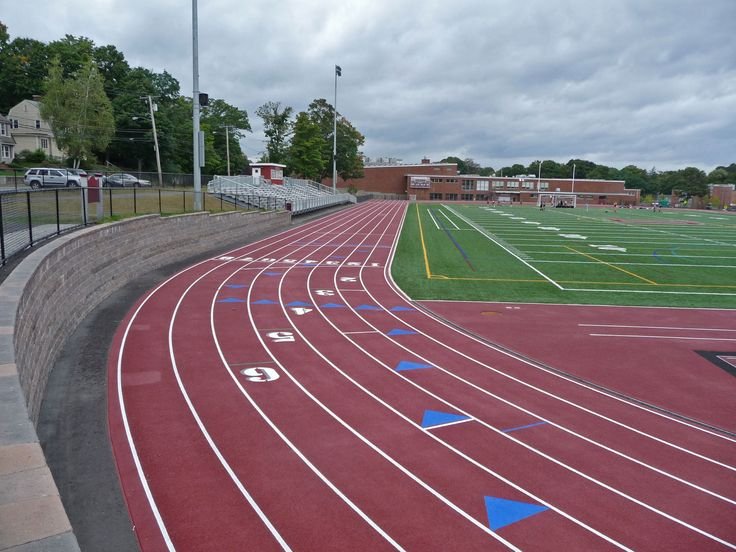
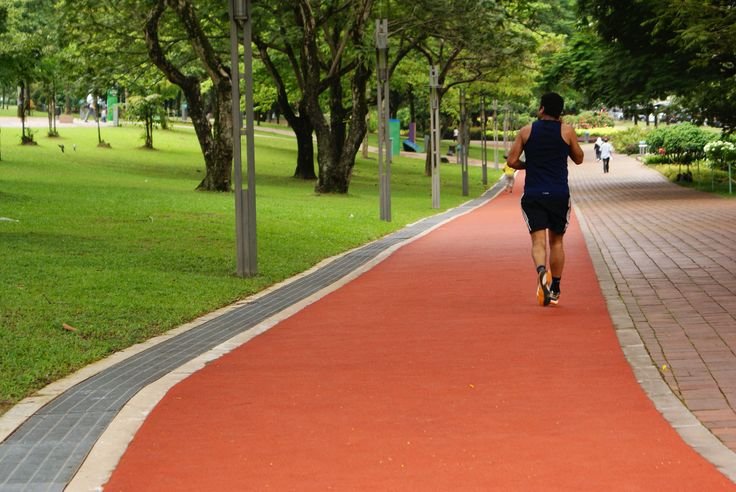
Elite International Sports specializes in engineering and constructing classic **cinder athletic tracks**. Made from a carefully calibrated mixture of volcanic cinders, crushed shale, red clay, and silt binders, these tracks are highly favored by military training academies, defense grounds, physical education colleges, and community sports complexes due to their cost-effective installation profile and biomechanical benefits.
From a sports engineering perspective, a cinder track acts as a dynamic aggregate surface. The multi-layered natural base provides excellent water permeability, allowing rainwater to pass quickly through the surface to underground drainage layers. The soft-aggregate wear course acts as a natural shock absorber, dispersing impact energy away from the runner's legs, which dramatically reduces shin splints and muscle fatigue compared to hard concrete or rigid synthetic systems.
We design and build cinder tracks following standard regional training and school athletics layouts. Our engineering team handles complete site levelling, trenching, perimeter curb wall laying, base stone compaction, and top wear course mixing. We ensure the clay-silt-cinder ratios are mixed with precision to prevent the surface from drying into dust or turning to mud during rain.
The playing characteristics of a cinder track depend on aggregate grain size and moisture levels. A regular maintenance schedule is needed to keep the surface flat, compacted, and free of weeds.
The loose-aggregate wear course compresses underfoot, absorbing shock and protecting the runner's ankles, shins, and knees during long-distance training.
Unlike impermeable concrete bases, water passes directly through the cinder aggregate layers, preventing mud pooling and ensuring rapid play resumption.
Provides a multi-lane running track facility at a fraction of the cost of polyurethane systems, making it highly suitable for budget-conscious schools.
Constructed entirely from natural volcanic minerals, crushed brick, and clay binders. Safe for local water tables and fully recyclable.
Depending on raw material availability and usage criteria, we construct three types of classic aggregate tracks:
Uses black or dark grey volcanic cinders (vesicular basalt). The vesicular structure of the cinders provides high cushioning and drainage capacity. Preferred for institutional athletic centers.
Volcanic cinders blended with a cohesive silt-clay binder compound (15% to 20% ratio). The clay binds the cinders, creating a firmer running surface with higher traction.
Uses crushed red clay brick dust and shale screenings. Provides a classic bright red color and a firm, high-traction surface. Highly popular for school athletic playgrounds.
A traditional dirt track using engineered clay-loam soils. Highly cost-effective and suitable for rural schools, though requiring frequent dust control watering.
Unlike synthetic tracks laid on flat asphalt, a cinder track requires deep aggregate containment box engineering to prevent gravel washout:
Excavating the track profile to a depth of 250mm. Grading the subgrade with a 1% cross-slope toward outer drainage channels.
Installing pre-cast concrete curb walls or laying brick borders along the inner and outer track perimeters to contain the loose aggregates.
Installing perforated PVC sub-drainage pipes wrapped in geotextile sheets beneath the track bed to drain filtered water.
Laying a 100mm to 150mm thick base course of hand-packed soling stones or large aggregates, compacted with a heavy roller.
Spreading a 50mm intermediate layer of crushed stone screenings and gravel to fill gaps in the soling base and provide level backing.
Applying a 50mm thick top course of fine volcanic cinders (0-4mm grain sizing) mixed with clay binders. The surface is watered and rolled with a 1-ton roller.
Marking running lanes using chalk powder or non-toxic line marking paints. Compaction testing completed and track handed over.
Vesicular basalt aggregates crushed to a 0-4mm size range to provide elastic cushioning.
Cohesive silt-clay binder compound mixed with cinders to help prevent surface dust and shifting.
Large graded stones (40-75mm sizing) used for the load-bearing foundation layer.
Intermediate stone aggregate (10-20mm sizing) to lock the soling base and prevent wear shifting.
Pre-cast concrete curbs installed along the track perimeters to hold loose aggregates in place.
Permeable fabric lining the subgrade base to prevent soil from mixing with the aggregate layers.
The aggregate surface compresses slightly underfoot, absorbing impact and protecting runner shins.
High-performance running facility constructed at a fraction of the cost of polyurethane systems.
Surface depressions can be quickly repaired using local aggregate overlays and rolling.
| Top Wearing Course | 50mm thick premium volcanic cinder (0-4mm grain sizing) |
| Intermediate Cushion Course | 50mm thick crushed stone screenings and gravel (10-20mm) |
| Foundation Stone Base | 150mm thick compacted hand-packed soling aggregates |
| Clay Binder Ratio | 15% to 20% cohesive silt-clay compound |
| Water Drainage Drainage | Natural permeability exceeding 150mm per hour |
| Perimeter Curb Wall | Concrete curbs (150mm wide x 300mm deep) |
| Line Markings | Chalk powder or white line lining compounds |
| Estimated Product Lifetime | Indefinite (with regular aggregate replenishment and rolling) |
| Warranty Coverage | 3 Year Structural Installation Warranty |
We source high-grade volcanic cinders directly from quarries, ensuring optimal grain sizing and drainage properties.
Our agronomists test soil binding profiles to mix custom clay binders, preventing surface dust and aggregate shifting.
We use laser-guided graders to ensure uniform aggregate layer thickness and official drainage slopes.
We handle all project phases, from subgrade excavation and curb wall casting to sub-drain installation and wear course rolling.

Traditional Graded Volcanic Cinder Track Construction
Submit details about your institution's field dimensions. Our engineers prepare preliminary drainage plans and BOQ estimates.
Get technical layouts, base-foundation designs, and comprehensive costing sheets prepared by our expert sports engineers.